Reviewing the Floral Easter Bunny Design
As a designer who spends more time staring at stitch maps than actual fabric, I have learned that not every cute graphic translates well into thread. We have all been there: you see a charming digital preview, purchase the machine embroidery design, and then watch in horror as the machine creates a bird’s nest of tangled thread on your favorite garment. That is why I approach every new file with a healthy dose of skepticism and a stack of scrap fabric. Recently, I downloaded the Floral Easter Bunny to evaluate its potential for my upcoming spring collection, and I want to share my practical findings with fellow crafters, Etsy sellers, and apparel decorators.
First Impressions: Whimsy Meets Structure
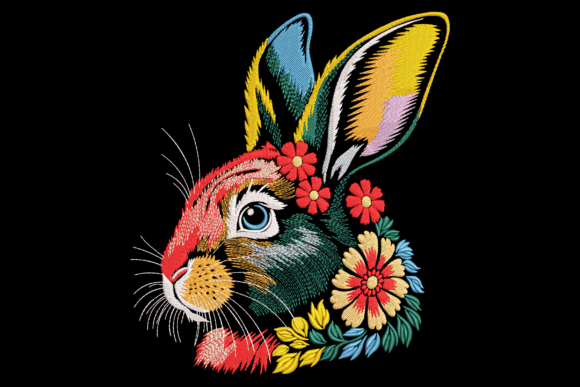
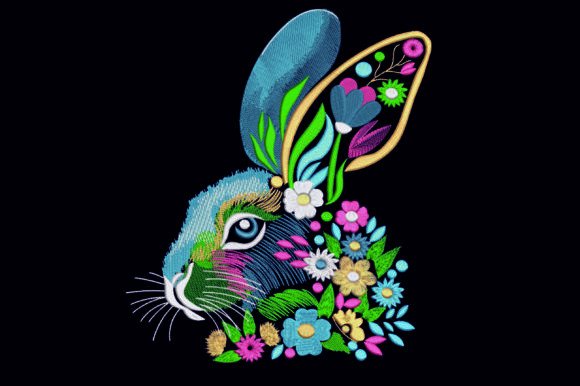
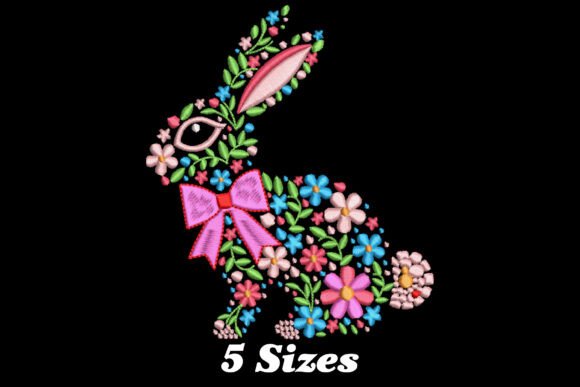
The first thing that strikes you about the Floral Easter Bunny is its balance between playful imagery and structural integrity. It is not just a cartoon rabbit; it is integrated with floral elements that soften the silhouette. This combination creates a mood that is both festive and sophisticated enough for modern home decor or boutique apparel. The layout feels organic, avoiding the rigid, boxy feel that plagues many holiday-themed designs. For an embroidery project, this flow is crucial. It allows the eye to travel smoothly across the design, which is particularly important when you are working with curved surfaces like caps or the rounded hem of a sweatshirt.
From a visual personality standpoint, this design leans heavily into the "soft chic" aesthetic. It is not overly childish, which expands its marketability. You are not limited to baby clothes; this works beautifully on adult tote bags, kitchen towels, and even linen aprons. The whimsical touch mentioned in the product description holds up under scrutiny, provided you pair it with the right thread palette.
Real-World Application: The Tote Bag Test
To truly understand how this design performs, I applied it to a canvas tote bag, a staple item for any small shop product line. Canvas is forgiving, but it reveals issues with stitch density quickly. I used a medium-weight cut-away stabilizer to ensure the fabric did not pucker around the floral details. The result was impressive. The bunny’s outline remained crisp, and the floral accents did not collapse into a solid mass of thread.
This success translates directly to other items. Imagine this as sweatshirt embroidery on a pastel hoodie. The softness of the fleece complements the gentle curves of the bunny. Or consider it as a personalized gift for a new mother, stitched onto a muslin swaddle blanket. In each scenario, the design adds value without overwhelming the base material. For Etsy sellers, this versatility is a goldmine. You can create a cohesive spring collection featuring this single asset across multiple product types, from embroidered patches to pillow covers.
Considerations for Challenging Fabrics
However, we must be realistic about where this design might struggle. While it shines on stable fabrics like cotton, linen, and canvas, caution is advised when moving to stretchy or textured materials. If you plan to use this on a thin jersey t-shirt, the stitch density becomes a critical factor. Without proper stabilization, the weight of the thread could cause the fabric to ripple, ruining the clean lines of the bunny’s ears.
I also tested the design on a dark navy fabric. Here, the choice of thread colors is paramount. If the floral elements rely on subtle shading, they may get lost against a dark background. I recommend running a test stitch on black or navy fabric to check contrast. You might need to adjust the color scheme in your embroidery software, swapping lighter pastels for brighter, more saturated hues to maintain visibility. Additionally, be mindful of tiny details. If the design includes very fine lines or small lettering, these may not stitch out cleanly on textured towels where the loop of the fabric can interfere with needle penetration.
Commercial Viability and Brand Consistency
For those running a craft business, the Floral Easter Bunny is more than just a pretty picture; it is a potential revenue driver. Holiday embroidery sells, but only if it looks professional. Customers can spot a poorly digitized design from a mile away. Puckering, thread breaks, and messy jump stitches erode trust. This design, when stitched correctly, projects professionalism. It suggests that the maker cares about quality, which justifies a higher price point for your handmade products.
When creating printable mockups for your online store, this design offers excellent visual appeal. It photographs well because the shapes are distinct and recognizable even at a distance. This is vital for social media marketing, where users scroll quickly. A clear, charming image stops the thumb. Furthermore, using a consistent design asset like this helps build brand recognition. If your customers associate this specific style of whimsical, floral-integrated art with your shop, they are more likely to return for future seasonal releases.
Technical Notes for the Embroiderer
Before you load this digital embroidery file into your machine, take a moment to review the technical specifications. Since the product description does not provide exact stitch counts or hoop size requirements, you must check these details in your software. Confirm that the design fits within your available hoop size, especially if you are working with smaller items like baby socks or cap fronts. A design that is too large for the hoop will require repositioning, which increases the risk of misalignment.
- Test on Scrap Fabric: Never skip this step. Use the same type of fabric and stabilizer you plan to use for the final product.
- Check Stitch Types: Look for a mix of satin stitch for borders and fill stitch for larger areas. This combination usually provides the best texture and durability.
- Evaluate Density: If the design feels too dense, consider reducing the pull compensation or adjusting the density settings in your software to prevent fabric distortion.
- Verify Licensing: Ensure you understand the license terms. Can you sell finished items? Can you use it for commercial embroidery projects? Always confirm before listing products on Etsy or at craft fairs.
- Mockup in Black and White: Convert the design to grayscale in your software to check for contrast issues. If the details disappear in black and white, they may lack definition in real life.
Final Verdict
The Floral Easter Bunny is a strong contender for your spring inventory. It balances charm with technical feasibility, making it suitable for a wide range of applications from custom apparel to home decor. It is not without its challenges—particularly regarding fabric choice and thread contrast—but these are manageable with proper preparation. For the experienced designer, it offers a reliable asset that enhances the perceived value of the finished product. For the hobbyist, it provides a satisfying project that yields beautiful, gift-worthy results. Just remember to respect the mechanics of embroidery: stabilize well, choose your threads wisely, and always test before you commit to the final piece. When done right, this design delivers exactly what it promises: a dash of charm that elevates any fabric it touches.