Reviewing the Floral Baby Highland Cow Design
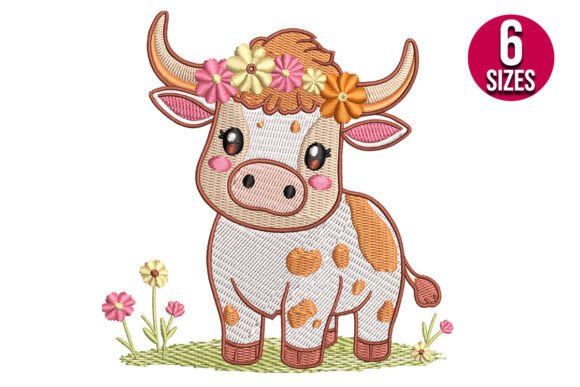
As a designer who spends more time staring at stitch simulations than actual fabric, I have learned that not every cute concept translates into a clean finished product. When I first loaded the Floral Baby Highland Cow into my software, I was looking for more than just an adorable image. I was evaluating its viability for real-world applications, from boutique nursery decor to high-volume Etsy seller inventories. This machine embroidery design sits squarely in the popular Farm Animals category, but it distinguishes itself with a delicate floral arrangement that softens the rustic edge of the typical highland cow motif.
First Impressions and Visual Personality
The immediate mood this design creates is one of gentle warmth. It is not loud or aggressive; rather, it feels curated and sweet. The layout balances the bulky, textured appearance of the highland cow’s fur with the organic, flowing lines of the surrounding flowers. For an embroidery project, this contrast is crucial. If the entire design were dense fur texture, it would become a stiff puckered mess on lighter fabrics. The inclusion of floral elements provides visual breathing room.
From a technical standpoint, the shape is compact yet detailed. The visual personality leans heavily toward the "cottagecore" aesthetic, which remains a dominant trend in handmade markets. This makes the Floral Baby Highland Cow an excellent candidate for products targeting new parents, baby showers, or spring-themed collections. It does not scream "farmhouse rustic" in a rough way; instead, it whispers "modern nursery," which expands its commercial appeal significantly.
Real-World Application: The Custom Tote Test
To truly understand how this design performs, I simulated its use on a canvas tote bag, a staple item for any craft business. Canvas is forgiving, but it reveals poor digitizing quickly. In this scenario, the design held up remarkably well. The transition between the cow’s face and the floral accents appeared smooth in the simulation, suggesting that the underlying pathing is logical.
However, when considering sweatshirt embroidery, the dynamics change. A fleece or French terry fabric has a pile that can swallow small details. I noticed that the smaller petals in the floral arrangement might get lost if the stitch density is too low or if the fabric shifts during stitching. For a personalized gift like a baby blanket or a toddler’s hoodie, I would recommend testing the design on a scrap piece of the exact fabric you intend to use. This is non-negotiable for maintaining professional standards.
Versatility Across Product Lines
The versatility of this embroidery file is one of its strongest assets. It is not limited to a single niche. Here is how it translates across different mediums:
- Baby Clothes: Ideal for onesies or bibs, provided the scale is reduced appropriately to fit the chest area without overwhelming the garment.
- Nursery Decor: Works beautifully on pillow covers or wall hangings where larger hoop sizes allow the details to shine.
- Custom Apparel: A strong contender for women’s t-shirts or aprons, appealing to those who love animals but prefer a feminine touch.
- Embroidered Patch: Could be digitized or used as-is on twill for a durable, iron-on accessory.
For holiday embroidery, this design is surprisingly adaptable. With minor color changes—swapping pastel florals for autumnal oranges and browns—it becomes a perfect fall decoration. This adaptability increases its value as a design asset for sellers who need to refresh their inventory seasonally without purchasing entirely new motifs.
Technical Considerations and Fabric Constraints
While the design is charming, it requires careful handling regarding fabric choice. The intricate nature of the florals means that thin fabric or highly stretchy materials pose a risk. Without proper stabilization, the pull of the stitches could distort the cow’s face, turning a cute expression into a warped anomaly. I strongly advise using a cut-away stabilizer for knit fabrics and a tear-away for woven cottons, depending on the desired hand feel of the final item.
Another critical factor is thread colors. The design relies on contrast to define the cow against the flowers. On dark fabrics, you must ensure that the digitizing includes sufficient underlay stitches to prevent the fabric color from showing through the lighter threads. A printable mockup can help visualize this, but nothing replaces a physical test stitch. If you are creating a tote bag design on natural canvas, earthy tones will blend harmoniously, whereas neon threads would clash with the design’s inherent softness.
Stitch Types and Density Management
In reviewing the structure, one can anticipate a mix of satin stitch for the flower petals and outlines, and fill stitch for the cow’s body. The effectiveness of the design hinges on how these two stitch types interact. Satin stitches are shiny and smooth, while fill stitches provide texture. If the transition between them is abrupt, it can create a ridge that feels unpleasant to the touch, especially on baby embroidery items where comfort is paramount.
Running stitch
elements may be used for finer details in the stems or facial features. These are prone to breaking or looking sparse if the tension is off. Therefore, checking the hoop size compatibility is essential. Ensure your machine can accommodate the largest version of the design if you plan to stitch it at full scale. If you are working with a smaller hoop, you may need to split the design or reduce its size, which could compromise the clarity of the smaller floral details.Commercial Viability and Brand Consistency
For small shop product lines, consistency is key. The Floral Baby Highland Cow offers a cohesive look that can anchor a brand identity focused on warmth, nature, and care. It builds customer trust because it looks professional and thoughtfully designed, not like a generic clipart conversion. When customers see a well-executed custom apparel piece, they perceive higher value, which allows for better pricing margins.
However, before listing this as a commercial embroidery product, you must verify the licensing terms. Not all digital embroidery file purchases include commercial rights. Assuming you have the correct license, this design can be a powerhouse for Etsy listings. It appeals to a broad demographic, from grandmothers buying gifts to young mothers decorating nurseries.
Final Designer Notes
Before committing to a large production run, take these practical steps:
- Test on Scrap Fabric: Always stitch out a sample on the same material and weight you plan to sell.
- Check Contrast: View the design in black and white to ensure the shapes are distinct even without color.
- Inspect Small Details: Zoom in on the digital file to check for potential thread breaks or overly dense areas.
- Confirm Licensing: Double-check whether the file allows for selling finished physical items or if it is for personal use only.
In conclusion, the Floral Baby Highland Cow is a robust, versatile addition to any designer’s library. It bridges the gap between rustic charm and modern elegance, making it suitable for a wide array of handmade product categories. By respecting the technical requirements of fabric and stabilization, you can transform this digital asset into a tangible item that delights customers and enhances your brand’s reputation for quality.