Review: Native American Floral Embroidery Cuttin
As a designer who has spent years digitizing patterns and testing them on everything from stiff denim to delicate silk, I approach every new machine embroidery design with a mix of curiosity and skepticism. We have all been there: you download a file that looks stunning on the screen, only to find it puckers the fabric or loses its charm once the needle hits the cloth. Today, I am taking a close look at Native American Floral Embroidery Cuttin, a piece categorized under Illustrations and Graphics, to see if it holds up in real-world applications.
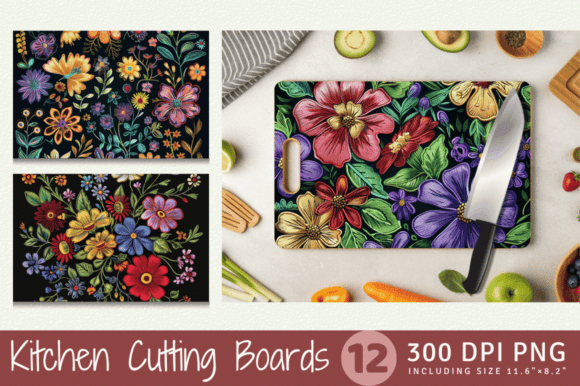
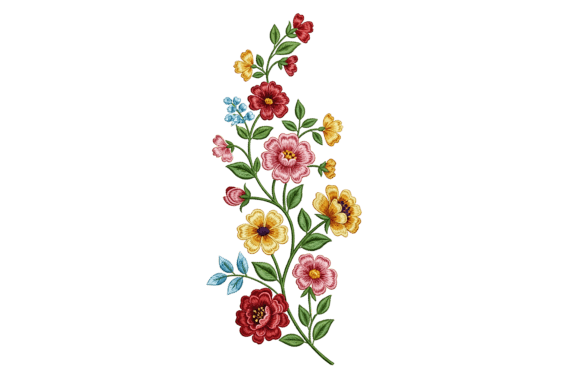
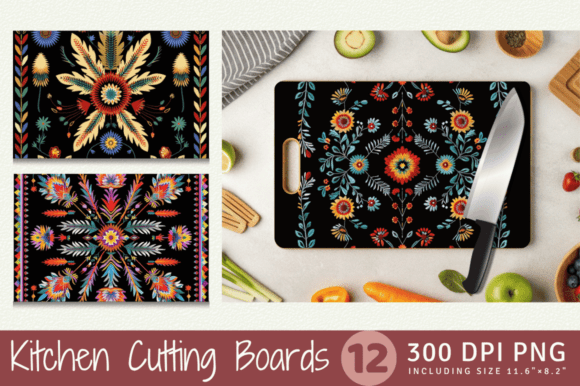
My first impression of this design is rooted in its visual personality. It does not scream for attention with chaotic lines; instead, it offers a grounded, organic feel. The fusion of floral elements with Native American-inspired motifs creates a mood that is both rustic and refined. For embroidery designers and Etsy sellers, this balance is crucial. It fits neatly into the current market trend where customers are seeking handmade products that feel authentic and connected to nature, rather than mass-produced and generic.
Visual Appeal and Stitching Clarity
When evaluating an embroidery file, I always look at how the shapes translate to thread. In the case of Native American Floral Embroidery Cuttin, the layout suggests a thoughtful approach to detail. The floral components likely rely on a combination of satin stitch for defined edges and fill stitch for broader areas, while the geometric or tribal accents may utilize running stitch to maintain clarity without adding excessive bulk. This variety is essential for keeping the stitch density manageable. If a design is too dense, it becomes stiff and uncomfortable, especially on wearable items.
The visual appeal here lies in its versatility. It is not overly intricate, which means it should retain its integrity even after multiple washes. For a custom apparel project, this is a significant advantage. Customers want their personalized gift items to last, and a design that respects the limits of the fabric will always earn higher trust and better reviews.
Real-World Application: The Tote Bag Test
To truly understand how this design performs, let us imagine a specific scenario. Suppose you are preparing a batch of canvas tote bags for a local craft fair. You choose Native American Floral Embroidery Cuttin as the central feature. Canvas is a sturdy fabric, but it can be tricky if the hoop size is not aligned correctly or if the stabilizer is insufficient.
In this context, the design shines. The bold lines of the floral and tribal elements provide enough contrast against the natural beige or white canvas. Because the design is likely not overly tiny, it avoids the common pitfall of getting lost in the weave of the fabric. As a tote bag design, it adds value without overwhelming the utility of the bag. It transforms a simple grocery carrier into a statement piece, appealing to buyers who appreciate artisanal touches. This is exactly the kind of small shop product that builds brand consistency and encourages buyer engagement.
Considerations for Different Fabrics and Hoops
While the design is robust, it is not a one-size-fits-all solution for every surface. As an experienced reviewer, I must point out where caution is needed. If you plan to use this on a sweatshirt embroidery project, you must consider the pile of the fleece. Detailed corners and thin lines can get swallowed by thick fabric. In such cases, using a cut-away stabilizer is non-negotiable to prevent distortion.
Similarly, if you are aiming for baby embroidery on soft onesies, you need to check the thread colors and ensure the back of the stitching is covered or softened. Babies have sensitive skin, and a dense backing can be irritating. For embroidered patch creation, however, this design could work beautifully. The distinct shapes allow for clean cutting and merrowed edges, making it a strong candidate for iron-on accessories.
One area requiring careful attention is curved surfaces, such as caps. If the design is wide, it may not sit flat on the front panel of a baseball cap. Always test the design on scrap fabric that matches your final material. This step saves time, thread, and frustration. Check whether the design works for both personal and commercial projects by reviewing the license terms provided with the digital embroidery file.
Enhancing Product Value and Brand Trust
For craft business owners, the choice of design directly impacts perceived value. Native American Floral Embroidery Cuttin offers a level of sophistication that elevates a basic item. When a customer sees a well-executed floral-tribal hybrid on a kitchen towel or a pillow cover, they perceive effort and artistry. This perception drives sales.
Moreover, using high-quality design assets like this helps in creating compelling printable mockup images for online listings. A clean, crisp design photographs well, allowing potential buyers to visualize the finished product in their homes. Whether it is for holiday embroidery gifts or year-round boutique branding, the aesthetic consistency of this illustration supports a professional image.
Practical Designer Notes
Before you commit to a large production run, here are my practical recommendations for working with this specific graphic:
- Test on Scrap Fabric: Always stitch out a sample on the exact fabric type you intend to use. This reveals any issues with tension or registration.
- Check Thread Contrast: Ensure your chosen thread colors stand out against the fabric texture. Earth tones often work well with Native American-inspired themes, but verify visibility.
- Review Stitch Density: If the design feels too heavy, consider adjusting the density in your editing software if you have the rights and skills to do so.
- Confirm Hoop Size: Make sure your machine’s hoop can accommodate the full design without re-hooping, which can lead to misalignment.
- Inspect Small Details: Zoom in on the digital preview. Are there any tiny elements that might break or tangle? Simplify if necessary.
- Light vs. Dark Backgrounds: Test the design on both light and dark fabrics. You may need to change thread shades to maintain clarity on darker materials.
- Licensing Verification: Confirm the license allows for commercial embroidery if you plan to sell the finished items. Never assume; always read the terms.
In conclusion, Native American Floral Embroidery Cuttin is a promising addition to your library of Illustrations and Graphics. It offers a blend of cultural appreciation and natural beauty that resonates with modern consumers. By approaching it with the right technical preparation—proper stabilizers, tested thread choices, and realistic fabric expectations—you can create stunning embroidery project outcomes that delight customers and strengthen your brand. It is a design that rewards careful execution with a polished, professional result.