Reviewing the Bluebell Wildflower Embroidery Design
As a designer who has spent countless hours hooped up at the machine, I have learned that not every floral motif translates well from screen to fabric. Some designs look stunning in a digital preview but turn into a tangled mess of thread breaks and puckering once the needle hits the cloth. When I first pulled up the Bluebell Wildflower file, I was looking for more than just aesthetic appeal; I was evaluating its viability for real-world commercial use. This isn’t just about whether it looks pretty—it is about whether it holds up under the scrutiny of a paying customer and the mechanical stress of high-speed stitching.
First Impressions: Mood and Visual Personality
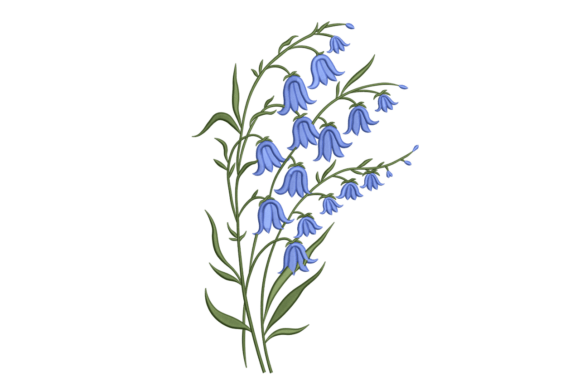
The immediate impression of this Single Flowers category design is one of delicate grace. The layout features a sweeping spray of bell-shaped blooms that suggests movement, as if caught in a gentle woodland breeze. For an embroidery project, flow is critical. Static, rigid flowers often feel stiff on soft textiles, but the organic curve here promises a natural drape. The detail level appears balanced, offering enough intricacy to catch the eye without becoming so dense that it compromises the integrity of lightweight fabrics. It feels romantic yet grounded, making it a versatile asset for various design assets in a craft business portfolio.
Real-World Application: The Tote Bag Test
To truly understand how this machine embroidery design performs, I mentally placed it on a canvas tote bag—a staple item for any Etsy seller or small shop owner. Canvas is forgiving, but it can be tricky with fine details if the tension isn't perfect. The Bluebell Wildflower design, with its open spaces between the bells, would likely stitch out cleanly on a medium-weight cotton canvas. The visual weight is light enough that it doesn't overwhelm the bag, yet distinct enough to serve as a focal point. Imagine this paired with a simple monogram or a short phrase; it creates a boutique-level handmade product that feels curated rather than mass-produced.
Beyond totes, consider sweatshirt embroidery. On a heather grey or soft pink fleece, the sweeping lines of the bluebells would provide a lovely contrast to the textured background. However, this is where practical judgment comes in. Fleece requires careful stabilization. If the stitch density is too high in the center of the flower clusters, the fabric might pucker. A test run on scrap material is non-negotiable here. For a personalized gift like a baby blanket or nursery decor, the gentle theme fits perfectly, but you must ensure the thread colors are colorfast and the backing is soft against sensitive skin.
Navigating Fabric Challenges and Hoop Constraints
While the design is beautiful, it demands respect regarding fabric choice. On thin, stretchy materials like jersey knits for custom apparel, this design could cause distortion if not properly supported. I would recommend using a cut-away stabilizer for garments that will undergo frequent washing, ensuring the finished product retains its shape. For structured items like an embroidered patch or a cap, the design’s layout needs to be checked against the curvature of the surface. The sweeping nature of the stems might require strategic placement to avoid wrapping awkwardly around the crown of a hat.
Dark fabrics present another consideration. If you are stitching this on navy or black, you cannot rely on shadow effects. You need high-contrast thread colors to make the Bluebell Wildflower pop. A satin stitch border might help define the edges if the fill stitches blend too much into the background. Always check your design in a black-and-white mockup before threading up. This simple step reveals whether the running stitch outlines and fill areas have sufficient contrast to remain legible from a distance.
Commercial Value and Brand Consistency
For commercial embroidery professionals, consistency is key. This design fits seamlessly into a spring or summer collection, appealing to customers looking for nature-inspired aesthetics. It enhances brand consistency if your shop focuses on botanical or cottage-core themes. The professionalism of the digitizing directly impacts customer trust. Sloppy jumps or excessive trims can signal low quality, but a clean, well-planned file like this suggests attention to detail. It elevates a simple tote bag design or tea towel into a premium item that commands a higher price point.
When creating printable mockups for your online store, ensure the digital representation matches the stitched reality. Over-saturated previews can lead to disappointed buyers. Use this digital embroidery file to create realistic lifestyle images that show the texture of the thread and the drape of the fabric. This transparency builds buyer engagement and reduces return rates.
Practical Designer Notes for Best Results
Before committing to a large production run or listing this as a new small shop product, follow these practical steps:
- Test on Scrap Fabric: Always stitch a sample on the exact fabric type you intend to sell. Check for puckering, thread breaks, and registration issues.
- Check Stabilizer Compatibility: Match the stabilizer to the fabric weight. Tear-away for stable wovens, cut-away for knits, and water-soluble for delicate lace or sheer fabrics.
- Review Stitch Density: If the design feels stiff after stitching, consider reducing the density in your editing software if you have the rights, or choose a lighter fabric.
- Confirm Licensing: Before selling holiday embroidery items or everyday goods featuring this design, verify the license terms. Ensure you are allowed to use the embroidery file for commercial finished products.
- Inspect Small Details: Zoom in on the digital file. Are there tiny, isolated stitches that might pull out? Clean up any unnecessary nodes or jumps to streamline the stitching process.
In conclusion, the Bluebell Wildflower is a strong contender for any designer’s library. It offers the enchantment of a woodland garden with the structural integrity needed for professional Embroidery work. By respecting the material constraints and preparing thoroughly, you can transform this graceful file into a best-selling handmade product that delights customers and strengthens your brand reputation.