Reviewing Butterfly and Daisy for Small Business Merch
As an embroidery designer who has spent years digitizing files for boutique brands and local businesses, I approach every new machine embroidery design with a critical eye. It is not just about whether the image looks pretty on a screen; it is about how that design translates to fabric, withstands washing, and elevates a brand’s identity. Recently, I reviewed the Butterfly and Daisy design, a piece categorized under Bugs and Embroidery that promises a delicate aesthetic for nature lovers. Here is my professional assessment of its viability for small business merchandise and branded patch use.
First Impressions and Visual Personality
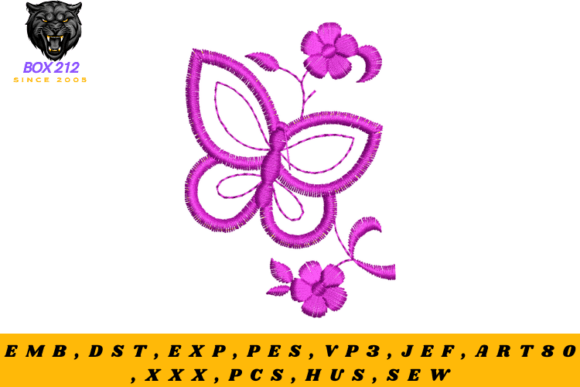
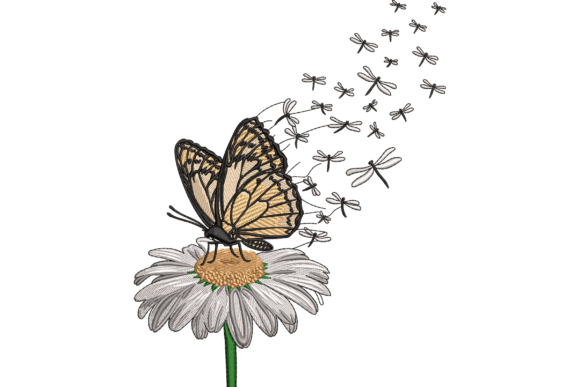
The Butterfly and Daisy design immediately presents itself as elegant and friendly. The concept of a delicate butterfly resting on a beautiful daisy suggests a soft, organic vibe that fits perfectly with floral-themed projects. For a business owner, this visual personality is crucial. It does not scream "corporate" or "industrial." Instead, it feels handmade, premium, and approachable. This makes it an excellent candidate for brands that want to project warmth and care, such as bakeries, florists, pet boutiques, or creative studios.
However, "delicate" can be a double-edged sword in commercial embroidery. My first concern was always regarding stitch density and outline clarity. A design that relies on fine lines must be digitized with precision to avoid thread breaks or lost details during high-speed machine runs. Upon closer inspection of the preview, the balance between the butterfly’s wings and the daisy petals appears well-structured, suggesting that the digitizer considered the limitations of standard home and commercial machines.
Real-World Applications for Small Business Merch
When evaluating a digital embroidery file for commercial use, I look for versatility. The Butterfly and Daisy design shines in several key areas for small business owners:
- Branded Patches: This is perhaps the strongest use case. An embroidered patch featuring this motif can be sewn onto canvas tote bags, denim jackets, or aprons. It acts as a subtle yet recognizable brand mark without overwhelming the garment.
- Staff Uniforms and Aprons: For a café or boutique, placing this design on the chest pocket of an apron adds a touch of sophistication. It signals attention to detail and aligns with a natural, eco-friendly brand ethos.
- Tote Bag Design: Canvas totes are a staple for handmade product sellers. The floral theme complements the texture of canvas beautifully, making it an ideal upsell item for customers at markets or online stores.
- Cap Embroidery: While possible, this requires careful placement. The curved surface of a cap front can distort detailed designs. If used here, it should be positioned slightly off-center or scaled down to ensure the butterfly remains distinct.
For Etsy sellers and crafters, this design serves as a versatile asset. It can be used to create limited-edition seasonal items, such as spring-themed gift sets or mother’s day specials. The emotional connection customers have with nature motifs often leads to higher engagement and perceived value.
Technical Considerations and Production Challenges
While the aesthetic is strong, practical execution requires diligence. As a designer, I advise testing the Butterfly and Daisy file thoroughly before committing to a large production run. Here are the critical technical factors to consider:
Stitch Density and Fabric Texture: Delicate designs can get lost on textured fabrics like thick wool or rough linen. If you are embroidering on a heavy towel or a coarse burlap sack, the fine details of the butterfly’s wings might merge with the background. Always test on the actual fabric you intend to use. Conversely, on smooth cotton or polyester blends, the design should pop with clarity.
Thread Color Contrast: The success of this design hinges on color choice. A white daisy on a white shirt will vanish. You must ensure high contrast between the thread colors and the base material. For dark uniforms, consider using a bright underlay or choosing thread colors that stand out, such as vibrant yellows and blues against navy or black fabric.
Hoop Size and Stabilizer: Since the specific hoop size is not listed in the brief description, you must check the file details before purchasing. Ensure your machine’s hoop can accommodate the design dimensions. Furthermore, use the correct stabilizer. A cut-away stabilizer is often best for garments that will be washed frequently, providing long-term support to prevent puckering around the delicate stitches.
Impact on Brand Identity and Customer Trust
Consistency is key to building brand recognition. Using a cohesive set of design assets helps customers identify your products instantly. The Butterfly and Daisy motif can become a signature element of your brand identity. When customers see this emblem on a tote bag, a thank-you card, or a product tag, it reinforces the narrative of your business as thoughtful and nature-inspired.
Moreover, high-quality embroidery signals professionalism. Sloppy stitching or poorly chosen designs can undermine customer trust. By selecting a well-digitized file like this one and executing it with care, you elevate the perceived value of your handmade product. It transforms a simple item into a keepsake, encouraging repeat business and positive reviews.
Practical Designer Notes for Implementation
Before you load this file into your machine for a client order or personal stock, follow these steps:
- Test in Black and White: Print or stitch a monochrome version first. This reveals if the shapes are distinct without relying on color contrast. If the butterfly blends into the daisy in black and white, you may need to adjust thread choices.
- Check Scalability: Determine the minimum size at which the design remains legible. For small patches, ensure the butterfly’s antennae and wing patterns do not become a blob of thread.
- Create a Printable Mockup: Use digital tools to place the design on photos of your actual products. This helps visualize the final look and allows for client approval before stitching begins.
- Verify Commercial Licensing: Always confirm the license terms included with the embroidery file. Ensure you have the rights to use the design for commercial purposes, especially if you are selling the finished products.
- Inspect Spacing: Look for areas where stitches are too close together, which can cause thread bunching, or too far apart, which might show the fabric underneath unintentionally.
In conclusion, the Butterfly and Daisy design is a promising addition to any small business’s library of commercial embroidery assets. It offers a blend of elegance and approachability that resonates with modern consumers. However, its success depends entirely on proper technical execution. By respecting the nuances of fabric texture, stabilizer choice, and color contrast, you can leverage this design to create stunning, professional-grade merchandise that enhances your brand’s story and drives sales.