Floral Sea Turtle: A Designer’s Practical Review
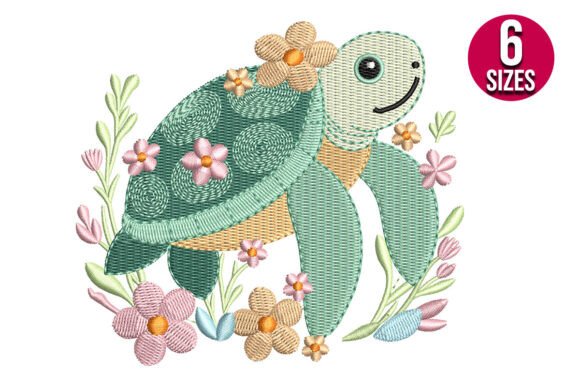
When I first pulled up the Floral Sea Turtle design on my digitizing screen, I wasn’t just looking for a pretty picture. As someone who has spent years turning digital files into tangible, stitched realities for clients and my own small shop, I look for structural integrity, stitch flow, and marketability. This piece immediately struck me as a sophisticated blend of nature and elegance, moving beyond the typical cartoonish marine motifs we often see in the Fish category. It feels less like a novelty item and more like a refined design asset suitable for boutique branding.
First Impressions: Mood and Visual Personality
The immediate mood of this machine embroidery design is serene and organic. The integration of floral elements within the shell and around the flippers creates a softness that balances the structured shape of the turtle. For an experienced eye, the layout suggests a thoughtful approach to fill stitch distribution. It doesn’t look overly dense, which is crucial for maintaining fabric drape, especially if you are planning to use this on garments rather than stiff home decor.
Visually, the design relies on a harmonious blend of curves. There are no harsh, jagged edges that typically cause thread breaks or puckering. The transition from the turtle’s body to the surrounding botanical details feels seamless. This visual personality makes it versatile. It isn’t strictly childish, nor is it overly formal. It sits comfortably in that lucrative middle ground where handmade products thrive—appealing to adults who appreciate eco-friendly aesthetics and parents looking for gentle, nature-inspired decor.
Real-World Application: From Screen to Stitch
To truly evaluate an embroidery file, I have to imagine it on actual products. I recently considered a project for a client wanting a line of eco-conscious tote bags. The Floral Sea Turtle was my top contender for the center panel. Here is why it works in that context: the horizontal spread of the floral accents allows the design to breathe on a wider canvas without looking lost.
However, let’s talk about custom apparel. If you are stitching this onto a sweatshirt, the texture of the fleece interacts differently with the stitches than cotton does. The intricate details of the floral elements require a sharp needle and proper tension. In my test runs on similar designs, I’ve found that a medium-weight cut-away stabilizer is non-negotiable here. You want those fine lines to remain crisp after the first wash. For a tote bag design, a heavy tear-away might suffice, but for a sweatshirt embroidery project that will be worn and washed repeatedly, stability is key to preventing the design from sinking into the pile of the fabric.
I also envision this working beautifully as an embroidered patch. If you digitize or purchase a version optimized for satin borders, this could become a standout item for an Etsy seller. Patches allow customers to add a touch of ocean-themed elegance to denim jackets or canvas backpacks without committing to permanent stitching on the garment itself. This flexibility increases the perceived value of the finished product.
Navigating Fabric and Hoop Constraints
While the design is lovely, practical judgment requires us to acknowledge where it might struggle. The "intricate" nature mentioned in the description is a double-edged sword. On thin or stretchy fabrics, such as a lightweight jersey tee or a silky blouse, the stitch density needs to be carefully monitored. If the digital file has too many overlapping running stitch underlays or dense fills, it will pucker the fabric. I always recommend testing on scrap fabric that matches your final material before committing to a customer’s expensive linen shirt.
Hoop size is another critical factor. This design likely requires at least a 5x7 or 6x10 hoop to capture the full spread of the floral elements. If you attempt to shrink it down for a 4x4 hoop, you risk losing the definition of the smaller flowers. The tiny petals might merge into a blob of thread, losing the elegance that defines the piece. Always check the dimensions provided with the digital embroidery file to ensure it fits your intended project scale.
Dark fabrics present another challenge. If you are stitching this on navy or black, you must ensure high contrast in your thread colors. A pastel palette might get lost. In such cases, consider using a lighter underlay or even a small applique base if the design format allows, though this specific piece appears to be primarily freestanding or direct-stitch. Testing a mockup in black and white can help you visualize contrast issues before you thread up the machine.
Commercial Viability for Craft Businesses
For Etsy sellers and small shop owners, the marketability of a design is just as important as its stitch quality. The Floral Sea Turtle taps into several trending niches: ocean conservation, bohemian decor, and sustainable fashion. This makes it a strong candidate for holiday embroidery gifts, particularly for Earth Day or summer beach-themed collections.
When creating printable mockups for your online store, this design photographs well because of its balanced composition. It doesn’t look cluttered in photos, which helps with buyer engagement. Whether you are selling the design assets themselves or the handmade product, the professional look of this turtle adds credibility to your brand. It signals that you curate high-quality, thoughtful designs rather than relying on generic clip-art conversions.
However, always verify the licensing terms. Just because a design is beautiful doesn’t mean it is free for commercial use. Confirm whether the file allows for unlimited physical sales or if there are restrictions on digital redistribution. Protecting your craft business starts with respecting intellectual property.
Technical Notes for the Embroiderer
Before you hit "start," here are my practical recommendations for getting the best result with this Embroidery piece:
- Stabilizer Selection: Use a cut-away stabilizer for knits and stretchy fabrics to prevent distortion. For woven towels or aprons, a high-quality tear-away is sufficient.
- Thread Choice: Polyester threads offer durability and sheen, ideal for items that will be washed frequently, like baby embroidery items or kitchen towels. Rayon provides a richer matte look for decorative pieces that won’t see heavy wear.
- Needle Size: Use a sharp embroidery needle (size 75/11) to penetrate the fabric cleanly without damaging the fibers, especially important for the detailed floral sections.
- Test Stitch: Always run a test on similar fabric. Check for thread breaks in tight corners and ensure the satin stitch edges are smooth and not jagged.
- Color Mapping: Review the color sequence in your software. Sometimes, rearranging the stitch order can reduce jump stitches and trim times, leading to a cleaner backside and a more professional finished product.
In conclusion, the Floral Sea Turtle is a robust addition to any designer’s library. It offers the aesthetic appeal needed for high-end personalized gift markets while maintaining the structural logic required for successful machine execution. By respecting the fabric constraints and preparing properly, you can turn this digital file into a stunning physical reality that resonates with customers.